Kallos Horizon Training & Education

Training & Education

Kallos Horizon advances medical aesthetics through comprehensive, evidence-based education for clinical professionals.

Educational Philosophy & Mission

Connecting technological innovation with clinical excellence

Professional Education Vision

Kallos Horizon advances medical aesthetics through evidence-based education that equips clinical professionals to deliver safe, effective, and consistent treatments.

Core Principles

  • Evidence-based practice
  • Patient safety first
  • Continuous professional development
  • Clinical excellence

Educational Mission

Our mission is to connect technological innovation with clinical excellence through structured learning pathways that emphasize patient safety, evidence-based practice, and responsible technology use.

Mission Objectives

  • Develop clinical competency
  • Promote safe practices
  • Foster responsible adoption of innovation
  • Ensure ethical standards

Tiered Education System

Structured pathways for medical aesthetic professionals at all levels

Structured Clinical Training

Structured education pathways for medical aesthetic professionals at every career stage, combining theoretical knowledge with practical application.

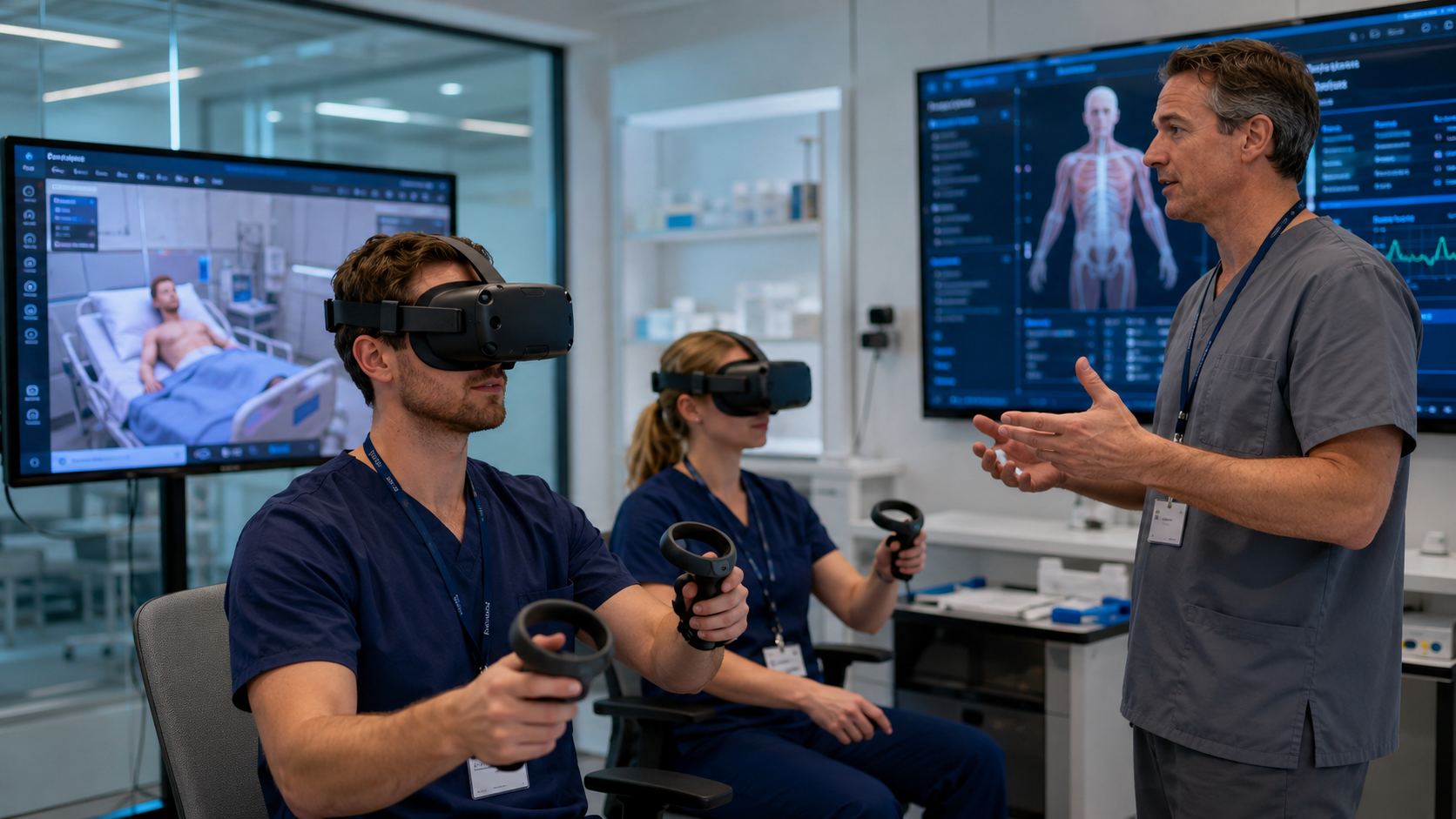
Instructor leading VR simulation training with clinical staff
  1. 01

    Core Theory Learning

    • Core principles of medical aesthetics
    • Anatomy and physiology relevant to aesthetic treatments
    • Safety protocols and risk management
    • Regulatory and ethical considerations
  2. 02

    Procedural Simulation Training

    • Hands-on simulation using advanced training models
    • Device operation and technique practice
    • Emergency scenario management
    • Patient communication and consultation skills
  3. 03

    Supervised Clinical Practice

    • Supervised clinical application
    • Case-based learning
    • Real-time feedback and coaching
    • Progressive independence under guidance

Educational Focus

Training programs emphasize:

  • Patient safety as the highest priority
  • Evidence-based treatment planning
  • Responsible technology use
  • Critical thinking and clinical judgment

Simulation Training & Certification Pathways

Simulation Training Modules

Our education ecosystem includes immersive simulation modules designed to develop procedural skills in a risk-free environment.

  • Practice complex clinical scenarios
  • Master device-specific techniques
  • Build confidence before patient interaction
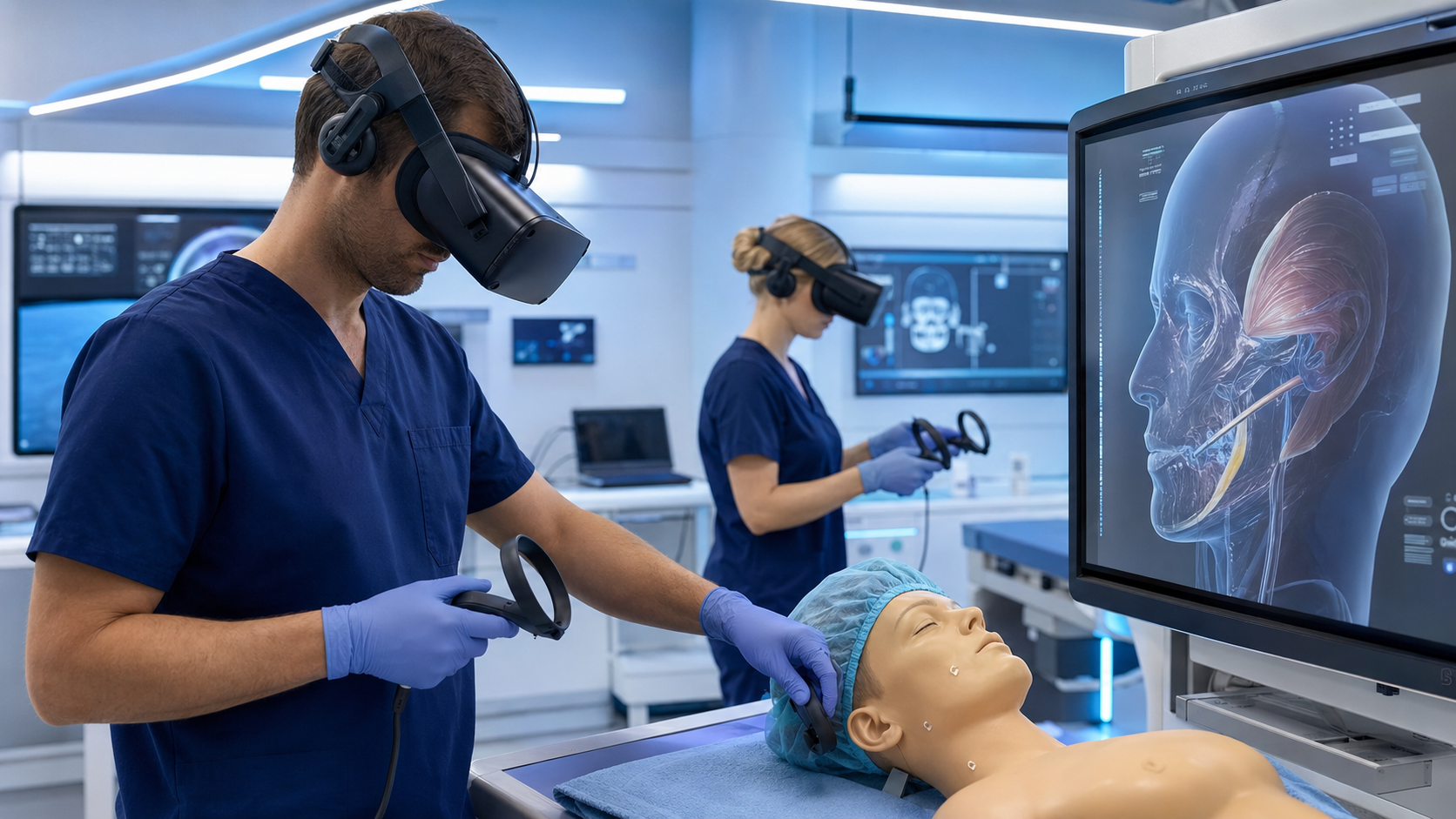
VR simulation training with a clinical manikin

Certification Pathway System

Tiered certification pathways are designed to complement, rather than replace, local licensure and regulatory requirements.

  1. 01

    Basic Operation Certification

    • Device fundamentals and safety
    • Basic treatment protocols
    • Initial competency assessment
    • Practice under supervision

    Entry-level certification for new practitioners

  2. 02

    Advanced Application Certification

    • Advanced technique mastery
    • Complex case management
    • Protocol customization skills
    • Skills for independent clinical practice under local licensure

    For experienced practitioners seeking specialization

  3. 03

    Expert Trainer Certification

    • Teaching and mentoring skills
    • Curriculum delivery training
    • Assessment and evaluation competence
    • Continuing education development

    For professionals transitioning to educational roles

Course Structure & Content

Comprehensive curriculum designed for professional development

  1. 01

    Module 1: Foundational Science & Safety

    • Skin anatomy and aging processes
    • Energy-based device physics
    • Patient assessment and selection
    • Safety protocols and contraindications
  2. 02

    Module 2: Technology Platform Proficiency

    • Device operation and calibration
    • Parameter selection and adjustment
    • Treatment technique optimization
    • Troubleshooting and maintenance
  3. 03

    Module 3: Clinical Protocol Application

    • Evidence-based protocol implementation
    • Treatment planning and customization
    • Outcome assessment and documentation
    • Adverse event management
  4. 04

    Module 4: Practice Management & Ethics

    • Practice efficiency and workflow
    • Patient communication and consent
    • Ethical considerations in aesthetics
    • Legal and regulatory compliance

Innovative Teaching Methods

Blended Learning Model

  • Online theory modules
  • Hands-on practical workshops
  • Virtual reality simulation
  • Clinical mentor guidance

Adaptive Learning Pathways

  • Curriculum customization based on learner background
  • Progress adjustment through competency assessment
  • Personalized feedback and development plans
  • Identification and support of ongoing learning needs

Continuing Education & Professional Development

Continuous Learning Program

Ongoing professional development to keep practitioners at the forefront of medical aesthetics.

  • Annual Update Courses

    Regular curriculum updates reflecting latest advancements in medical aesthetics and technology.

    Mandatory for certification renewal

  • New Technology & Protocol Training

    Specialized training on emerging technologies and innovative treatment protocols.

    Stay current with industry innovations

  • Best Practice Workshops

    Interactive sessions focused on clinical best practices and advanced techniques.

    Peer learning and skill refinement

  • Case Discussion & Peer Learning

    Collaborative learning through case analysis and discussion with peers and experts.

    Enhance clinical decision-making skills

Professional Development Resources

  • Clinical research participation opportunities
  • Academic conference and seminar participation
  • Teaching and mentoring skill development
  • Leadership and management training

Assessment & Quality Assurance

Competency Assessment System

  • Theoretical knowledge evaluation
  • Practical skills and procedural competency
  • Clinical decision-making and judgment
  • Patient safety and risk management

Quality Assurance Mechanisms

  • Standardized assessment criteria
  • Multi-dimensional assessment tools
  • Regular curriculum review and updates
  • Learner feedback collection and analysis

Educational Paths for Different Professional Roles

  1. 01

    Physician Training Path

    • Advanced clinical decision-making
    • Complex case management
    • Team leadership
    • Research participation
  2. 02

    Nurse & Physician Assistant Path

    • Independent operation skills
    • Patient management
    • Clinical assessment
    • Team collaboration
  3. 03

    Technician Path

    • Device operation and maintenance
    • Treatment protocol execution
    • Patient safety management
    • Data recording and documentation

Global Education Standards & Local Adaptation

International best practices adapted to local requirements

Global Unified Standards

  • Aligned with international best practices
  • Scientifically validated methods
  • Core competency and knowledge standards
  • Quality control and assurance

Local Adaptation

  • Compliance with local regulatory requirements
  • Adaptation to cultural and practice differences
  • Local language and resource provision
  • Incorporation of local experts and cases

Training Participation Process

  1. 01

    Application & Registration

    • Qualification assessment
    • Course selection
    • Learning plan development
    • Resource access
  2. 02

    Learning & Certification

    • Theoretical learning
    • Simulation training
    • Clinical practice
    • Final certification
  3. 03

    Continuous Development

    • Continuing education
    • Advanced courses
    • Teaching development
    • Research participation

Begin Your Training Journey

Join clinical professionals worldwide in advancing medical aesthetics through evidence-based education.

Contact Us for Training Information

All training programs are designed to complement, not replace, local licensure and regulatory requirements.